
7th Century
Church of St Lambert
A Heritage of Faith and History
The Church of St Lambert in Pristava, perched on a hill with panoramic views, is dedicated to an educated seventh-century missionary. St Lambert was known for his efforts to reform church conditions and spread the Christian faith. Today, the church preserves the heritage of the area and the memory of Pristava’s historical and spiritual traditions.
On the hill below the village stands the Church of St Lambert, a landmark that marks the village and its history. St Lambert, the church’s patron saint, was an educated missionary from the seventh century celebrated for his dedication to improving church affairs and spreading Christianity. He was a model of integrity, learning, and unwavering commitment to his religious mission.
Over the centuries, the church has undergone various transformations, yet it still stands as a monument to heritage and spiritual strength. Its hilltop location offers not only breathtaking views of the surrounding landscape but also a peaceful space for reflection and connection with nature.
The Church of St Lambert is closely tied to Pristava’s story and its noble past. In the 14th century, it was part of the life of Virida Visconti, who spent her later years in this area. On the 600th anniversary of her death, a memorial plaque was placed on the church, commemorating the important historical role of this site.
Today, the Church of St Lambert in Pristava remains a symbol of spirituality, historical heritage, and local pride, where tradition and faith intertwine. In 2026, all the altars in the church will undergo a complete renovation.


Year 1396
Virida Visconti
The Noble Lady of Pristava
Virida Visconti, a duchess from the famous Milanese family, spent the autumn of her life at the hunting castle of Pristava. Known as a benefactor of the Stična monastery, advisor and support to her husband, Austrian Duke Leopold III, Virida Visconti left a lasting mark on the history of the area. Today, Pristava honours her memory with the Church of St Lambert and a commemorative plaque in her honour.
Pristava is a place where history comes alive through the story of Virida Visconti, a duchess from the famous Visconti family from Milan. As the firstborn daughter of Barnaba and Matilde Visconti, Virida lived a luxurious life in Milan during her youth. Alongside her education and admiration for the Italian poet Petrarch, she helped create banners for the Milanese army, which featured the family crest – a serpent devouring a child – which today is part of Alfa Romeo’s logo.
In her youth, she married the Austrian Duke Leopold III. Although her early experiences at the Austrian court were challenging, she and her husband eventually became successful and popular leaders. With her advice and support, Leopold conquered numerous territories, including Carniola, Styria, and Tyrol, while Virida raised their four children and pursued her vision of political and religious stability.
After Leopold’s tragic death in the Battle of Lucerne, Virida returned near the Stična monastery, where she spent the remainder of her life at the hunting castle of Pristava. Through charity and penance, she became a benefactor to the local inhabitants and the Stična monastery. She passed away at Pristava and was buried in the Stična tomb in either 1407 or 1415.
Today, Pristava honours her memory with the Church of St Lambert, where a memorial plaque was placed on the 600th anniversary of her death. Virida Visconti remains a symbol of nobility, faith, and the historical heritage of a place that is the pride and joy of the local inhabitants.
Year 1963
Partisan House at Pristava
Culinary and Historical Heritage
The Partisan House at Pristava is a historical landmark where history was made during World War II. It was here that the hostess of the Pr’ Tonijevih Farm began her hospitality business, serving fried chicken, Viennese soup, and traditional delicacies that became synonymous with Pristava’s cuisine. Nearby stands a monument dedicated to fallen activists, and the house was even visited by Josip Broz Tito in 1964.
The Partisan House at Pristava, built in 1963, holds deep historical and culinary significance. Built with the help of volunteers on the land of the Pr’ Tonijevih Farm, the Partisan House stands as a testament to Pristava’s important role during World War II. A memorial plaque on the edifice marks its significance in the fight against the occupiers, while nearby stands a monument dedicated to fallen activists from the Gorenjska region. On 18 November 1964, Josip Broz Tito himself visited the house, further underscoring its importance in Slovenian history.
But the Partisan House is not only a place of remembrance – it is also the cradle of Pristava’s culinary heritage. It was here that hostess of the Pr’ Tonijevih Farm began her hospitality venture, which became synonymous with the flavours of Pristava. Locally raised poultry, fried simply but to perfection, was immensely popular. Fried chicken, Viennese soup made with beef, potatoes and carefully selected spices, and veal cutlets with roasted potatoes adorned the plates of distinguished guests.
In autumn, when the harvest was gathered, Mrs Cveta crafted delicious stuffed peppers, and for dessert, there was always apple strudel and sponge cake filled with Pristava jam. These dishes became symbols of the local home-cooked cuisine, which continues to resonate in the region’s culinary tradition to this day.
Today, the Partisan House at Pristava stands empty, but its legacy remains unforgettable. It was here that the foundations of tourism development were laid – foundations that still shape the area today.


Year 1991
Decisive Moments of the Slovenian War for Independence at Pristava
In 1991, a crucial decision in the Slovenian War for Independence was made at Pristava above Stična. The agreement reached here significantly influenced the course of events and contributed to the defence and independence of Slovenia.
In the summer of 1991, during the Slovenian War for Independence, Pristava above Stična played a crucial role in defending the young nation. It was here that a key agreement was reached, significantly influencing military operations and ensuring security. During those tense days, important figures met at this location to make decisive strategic decisions. The agreement made in 1990 at Pristava contributed to the effective coordination of the Territorial Defence forces and other defence structures, helping to manage the crisis successfully. This historic moment remains one of the important milestones on Slovenia’s path to independence.
Year 1994
Tradition of Okorn Excursion Tourism
Authentic homemade food is served at Pristava, prepared according to grandmothers’ recipes. Visitors are welcome year-round to Okorn Excursion Tourism (Izletniški turizem Okorn), where the hostess serves traditional farmhouse lunches on weekends.
At Pristava, you can try genuine local cuisine – just like our grandparents used to eat. The Pr’ Okornu Farm offers homemade delicacies throughout the year, and on weekends the hostess prepares traditional farmhouse lunches or dinners by arrangement. Dishes include homemade fried chicken with roasted potatoes, cheese dumplings (sirovi štruklji) made by mama Ivanka, buckwheat žganci with mushroom sauce, and homemade bread from the wood-fired oven served with cured meats. In the winter, the aroma of blood sausages and roasted meats served with sauerkraut, turnip, and buckwheat žganci fills the air.


Year 2015
Pristava Tourist Village
Pristine Nature
The year of 2015 marked an important milestone for the Pristava Tourist Village – its official opening, putting the village on the map as a destination for authentic nature experiences. The locals joined forces to create a unique environment where tradition, hospitality, and unspoilt nature come together.
The Pristava Tourist Village is a place for gatherings, authentic cuisine, events, and pleasant hiking trails in the heart of the Dolenjska region countryside. With a vision to revive tradition and tourism, the village has become a unique destination for genuine experiences. The development of tourism products has proceeded in full harmony with nature.
Modern holiday houses with apartments, an RV Park, and a carefully maintained park at the Pr’ Tonijevih Farm continue to attract guests from near and far. Alongside the home-cooked cuisine from the Pr’ Okornu Farm, visitors can closely follow the village’s ongoing development. At Pr’ Mežnar Farm, visitors receive a stamp for walking the trails to Pristava above Stična. At the Pr’ Lampert Farm, local honey is available for purchase.
2025
Your Dream Wedding in the Embrace of Nature
The Pristava Tourist Village offers a fairytale backdrop for a wedding in nature – a moment when time stands still and love shines in all its beauty.
In the embrace of pristine nature, where the whisper of trees, birdsong, and the scent of flowers mingle, the most beautiful love stories unfold. We work closely with you to prepare your wedding beneath the canopies of majestic trees or on spacious meadows by personalising every detail to create a wedding ceremony that truly reflects your unique love story and values. This magical location in the heart of nature allows you to begin your life together in perfect harmony with your inner world and the natural surroundings.
We take care of your dream wedding from start to finish – from an elegantly prepared ceremonial space to a refined reception experience that delights even the most discerning guests. Our cuisine is based on premium local ingredients, enhanced with creativity and aesthetic finesse.
Pristava awaits you with open hearts to create an unforgettable moment etched in memory for a lifetime. Let nature bear witness to your love and provide a unique setting that needs no additional decoration.


INQUIRY
Read more on our blog
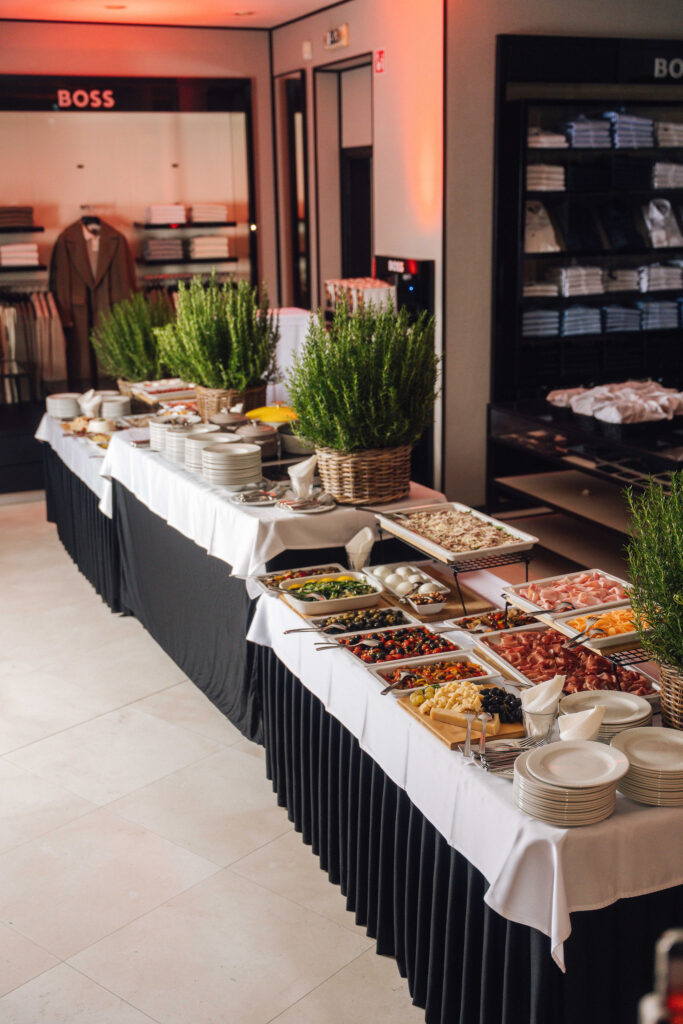
Corporate Events in Nature – Pristava nad Stično
Corporate Events in Nature – Pristava nad Stično
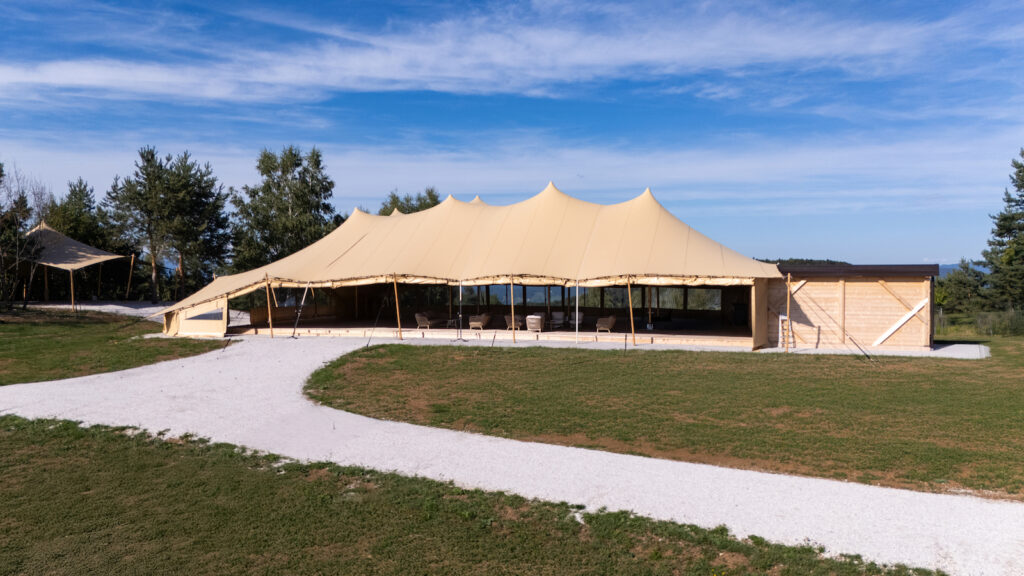
Wedding venue Slovenia
Wedding venue Slovenia

Wedding Trends 2026
Wedding Trends 2026

Business Events in an Environment that Connects You with Nature
Business Events in an Environment that Connects You with Nature
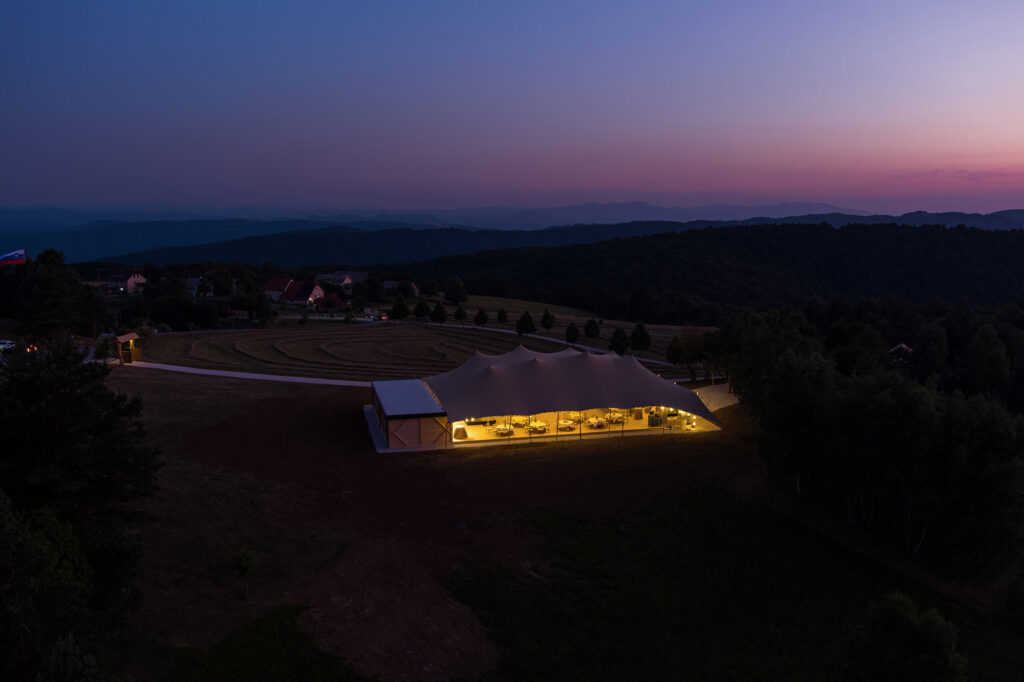
Outdoor Wedding in Slovenia
Outdoor Wedding in Slovenia

The Way of the Cistercians
The Way of the Cistercians
Sign up for the newsletter!
GENERAL INFORMATION
PR’ OKORNU FARM

GENERAL INFORMATION
PR’ OKORNU FARM
© 2026 Pristava.si
Vse pravice pridržane. RKKO
Nosilec idejne zasnove in izvedba obljube blagovne znamke Turistična Vas Pristava, Pristna narava, Borut Žaren & Team (Bojan Žaren in Mateja Žaren).